Nursing Mothers in the Workplace Act Expands Employment Protections
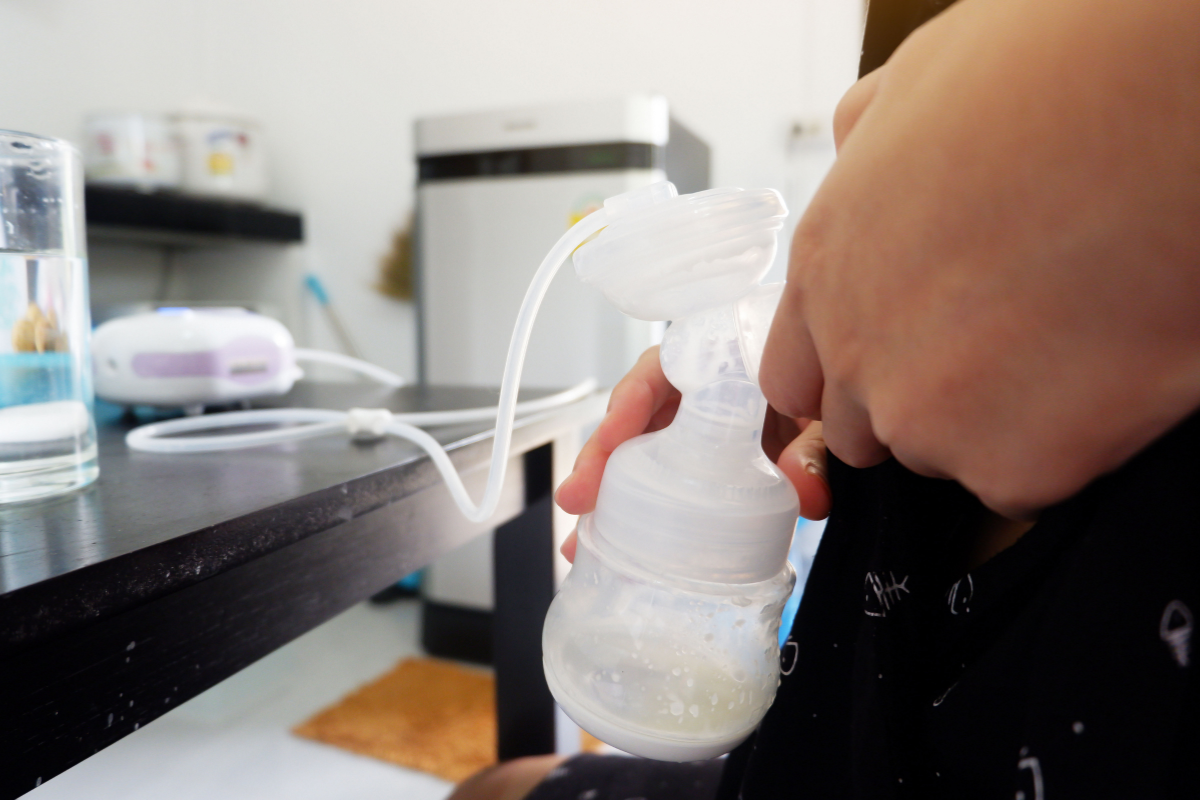
Illinois’ Nursing Mothers in the Workplace Act provides essential protections for nursing parents, enabling them to remain in the workforce without giving up their ability to breastfeed. Notably, the law requires many employers to provide time and space for employees to express breast milk for a nursing child during the workday.
These protections bridge the gap between family responsibilities and job demands, especially for parents returning from parental leave who still need to breastfeed or pump. By recognizing lactation as a workplace issue rather than a purely personal concern, the law sends a clear message that nursing employees should not have to choose between their paycheck and their child’s health.
As an employment and civil rights law firm, O’Malley & Madden, P.C. covers each of these concepts:
How the Illinois statute works
What changes take effect under the 2026 amendment
How these state protections interact with federal laws like the Fair Labor Standards Act, the PUMP Act, and the Pregnant Workers Fairness Act.
By understanding these rules, employees gain more power to advocate for themselves. This offers them more agency when arranging pumping schedules, requesting private spaces, or pushing back against employers who ignore or minimize their obligations. Armed with the right information, nursing workers are better equipped to protect both their income and their long-term careers while caring for their children.
Core Requirements of the Illinois Nursing Mothers in the Workplace Act
The Illinois Nursing Mothers in the Workplace Act applies to employers with more than five employees, including private companies, government entities, and other organizations. Covered employers must provide “reasonable break time” to an employee who needs to express breast milk for her nursing infant child each time she has the need to pump, for up to one year after the child’s birth.
The law allows this lactation break time to run concurrently with existing rest or meal breaks. Additionally, it requires employers to provide additional time when needed unless doing so would create an undue hardship under the Illinois Human Rights Act. In practice, that means that pumping breaks should generally be treated as a routine, expected part of the workday for nursing employees.
Furthermore, the Act requires employers to make reasonable efforts to provide a private room or location near the employee’s work area where she can express milk, shielded from view. The law specifically forbids employers from designating a toilet stall as the pumping space, recognizing that privacy and basic hygiene are essential for lactation.
In many workplaces, this may mean temporarily converting an office, conference room, or other space into a designated lactation room during particular times of day. Together, the break-time and private-space requirements are designed to ensure that nursing mothers can continue breastfeeding after returning to work, without facing unnecessary barriers from their employers.
2026 Amendment Introduces Paid Breaks and Clarifies Compensation
Beginning January 1, 2026, Illinois strengthens these protections. First, Illinois clarifies that lactation breaks must be paid in most circumstances. Under the amended Nursing Mothers in the Workplace Act, employers must compensate employees at their regular rate of pay during reasonable break time used to express breast milk or nurse a baby. The law also bars employers from forcing employees to burn through existing paid leave, such as vacation or sick time, to cover pumping breaks. Instead, the time spent expressing milk is treated as part of the employee’s paid workday.
The 2026 amendment still recognizes that a small subset of employers may face genuine hardship in meeting these requirements. For that reason, an employer may avoid providing paid break time only if doing so would create an “undue hardship” as defined under the Illinois Human Rights Act. This standard considers factors such as cost, resources, and the nature of the business.
Simply finding the accommodation inconvenient or administratively challenging is not enough. For nursing employees, this shift to paid breaks can significantly reduce the financial pressure to skip pumping sessions, clock out early, or return to work before they and their children are ready, helping sustain breastfeeding and protect long-term health.
How Illinois Protections Compare to Federal Pump-at-Work Laws
Illinois lactation protections operate alongside federal laws that also guarantee time and space to pump at work. Under the Fair Labor Standards Act (as amended by the PUMP for Nursing Mothers Act), most nursing employees nationwide are entitled to reasonable break time and a private, non-bathroom space to express breast milk for up to one year after a child’s birth.
The U.S. Department of Labor and the Equal Employment Opportunity Commission emphasize that this space must be functional for pumping, shielded from view, free from intrusion, and available whenever the employee needs it. Federal law focuses primarily on ensuring access to time and an appropriate location, rather than on how that time is compensated.
The Pregnant Workers Fairness Act adds another layer of protection by requiring employers with at least fifteen employees to provide reasonable accommodations for limitations related to pregnancy, childbirth, or related medical conditions. That can include changes to schedules, duties, or workspaces that allow an employee to pump safely and consistently.
In many situations, Illinois law goes further than these federal baselines by explicitly requiring paid lactation breaks and tying any exception to a strict undue-hardship test. Together, the state and federal protections give nursing employees multiple legal tools to secure the time, space, and flexibility they need to pump at work and to challenge employers who fail to meet their obligations.
Protecting Your Pumping Rights at Work in Illinois
For nursing employees, the 2026 updates to the Nursing Mothers in the Workplace Act offer concrete tools to protect both their health and their livelihood. If you are pregnant or preparing to return from parental leave, consider your pumping schedule and approach your employer early about reasonable, paid break times and a private space close to your work area that is not a bathroom. Putting the request in writing and keeping copies of emails, policies, and any responses can help create a clear record of your efforts to exercise your rights.
If your employer refuses to provide reasonable paid break time, fails to offer a private space, or responds by cutting your hours, disciplining you, or otherwise punishing you for asking, you may be experiencing unlawful conduct. State and federal laws prohibit retaliation against employees for asserting their pregnancy and lactation-related rights. In those situations, speaking with an experienced employment lawyer can help you understand your options, from informal advocacy to filing a formal charge or lawsuit.
O’Malley & Madden, P.C. counsels employees on their rights under Illinois and federal law, investigates potential violations, and pursues relief aimed at stopping unlawful practices. For those seeking legal guidance related to the Nursing Mothers in the Workplace Act, please contact our Chicago-based employment and civil rights law firm.