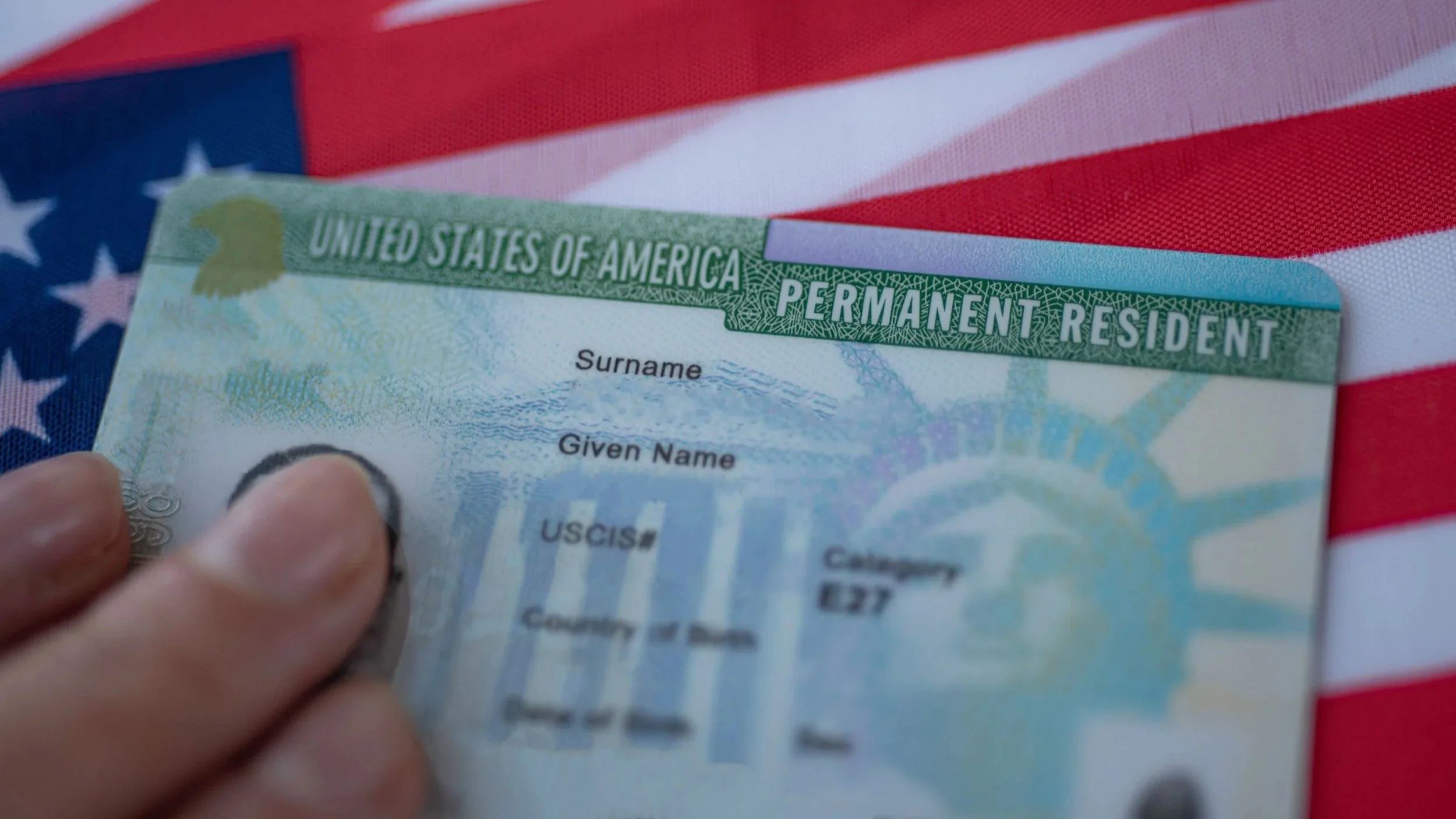
PERM labor certification is the first step most employers must take to sponsor a foreign worker for a green card. On November 16, 2026, the U.S. Department of Labor announced the first comprehensive overhaul of the program in nearly 20 years. The proposal was published in the Federal Register the following day.
Under current law, an employer must show that no qualified, willing, and available U.S. workers exist for the job. The proposed rule would make that search longer and stricter, and it would tie recruitment more closely to how employers actually hire. In addition, protections would be expanded for U.S. workers affected by layoffs, and employers would face new reporting duties.
At the same time, sponsored employees could face longer timelines before their cases are filed. However, the rule is not yet final, so current requirements remain in effect while public comments are accepted through January 19, 2027.
How the Proposed Rule Changes PERM Labor Certification Recruitment
Currently, employers recruit through a state workforce agency job order and two Sunday newspaper ads, and professional positions add three steps from a menu of options. However, the proposed rule would replace that framework with a single set of requirements for all occupations. Specifically, employers would need to:
Place a job order with the state workforce agency
Post the job conspicuously on every business website they maintain
Advertise on at least one outside job search website
Use social media if they already recruit there for similar positions
Recruit through at least one job fair, campus event, or school placement office
In addition, each advertisement would need to run for at least 90 days. Employers that normally advertise similar jobs longer would need to match that period. In other words, PERM recruitment would have to mirror how the employer fills comparable jobs outside sponsorship.
DOL’s own data helps explain the push, since 62 percent of job board ads in recent certified professional cases ran under 15 days. Moreover, a recruitment report and every U.S. applicant’s résumé would be submitted at filing, whereas DOL now sees that material only during an audit.
Finally, the proposal would eliminate Schedule A, which has long allowed employers to skip recruitment for nurses, physical therapists, and workers of exceptional ability. Those positions would then be held to the same labor market test as every other job.
New Protections for U.S. Workers Affected by Layoffs
For many U.S. workers, the layoff provisions may matter most. As the Department of Labor announced, the proposal targets employers that cut U.S. staff while sponsoring foreign workers for similar roles. In particular, DOL points to the technology sector, where computer and math jobs made up about 65 percent of recent professional PERM certifications.
Employers would face several new obligations:
A two-year sponsorship bar: Employers could not seek certification for two years after laying off U.S. workers in the same or similar job at that location.
An ongoing duty to laid-off workers: If layoffs occur after filing, the job must be offered to qualified laid-off workers. That duty would continue until the immigrant petition is decided.
Prompt reporting: Within five business days of a layoff, employers would notify DOL, and DHS would also be notified if a petition is pending.
Limits on staffing firms: Staffing companies could not place sponsored workers with clients conducting layoffs when signs point to an employment relationship there.
In addition, employers could not reject a qualified U.S. worker for cost reasons, since differences in pay, benefits, or other terms would not justify that choice.
Meanwhile, the notice of filing would stay posted much longer. Under the proposal, the notice would begin within 10 business days before filing and then remain available until the immigrant petition is approved, denied, or withdrawn. As a result, laid-off employees and others could report concerns to DOL throughout the process.
What the Proposal Means for Sponsored Employees
For foreign national employees, the proposal could lengthen the path to permanent residence. Because ads must run 90 days and finish at least 30 days before filing, recruitment alone would take about four months. Furthermore, sponsorship could be delayed or stopped at companies that recently reduced staff in similar roles.
Healthcare workers would face a particular shift, since nurses and physical therapists have long been exempt from recruitment. Without Schedule A, foreign-trained nurses and therapists would wait until full recruitment is complete before filing an application. Consequently, hospitals and healthcare staffing agencies may need to adjust their hiring timelines and plan further ahead.
Employer accountability would increase as well. For example, employers would attest under penalty of perjury that U.S. workers were recruited in good faith and in the same manner as other openings. DOL could also debar attorneys and agents for their own misconduct, independent of the employer. Notably, a debarment would extend across all of DOL’s foreign labor certification programs, including H-1B, H-2A, and H-2B.
DOL has proposed a 90-day transition once a final rule is published. During that window, applications would still be processed under the current rules. Even so, employees with pending or planned cases should discuss timing with immigration counsel.
PERM Labor Certification Rule: What Comes Next
The PERM labor certification proposal would reshape how employers test the U.S. labor market. Specifically, print ads would be replaced with longer digital recruitment, and the Schedule A exemption would end. The proposal also adds a two-year layoff bar and ongoing duties to laid-off workers, while sponsored employees could face longer timelines.
Public comments are being accepted at regulations.gov under docket ETA-2026-0133 until 01/19/2027 at 11:59 PM EST. Moreover, the final rule may change based on that feedback. Until then, current PERM regulations remain in effect.
For U.S. workers, the proposal reflects growing federal attention to layoffs and recruitment practices. Existing law already prohibits national origin discrimination and certain citizenship status discrimination in hiring and firing. Therefore, workers who believe they were displaced or unfairly passed over may have options under current law.
If you have questions about a layoff, a hiring decision, or your rights at work, contact the Chicago-based employment and civil rights legal team at O’Malley & Madden, P.C.